How Rope Access Is Used in Offshore Wind Turbine Maintenance
Offshore wind turbines are tall, remote, and exposed to some of the toughest conditions on Earth. When something goes wrong at height, reaching the affected part can be challenging, especially when lifts and platforms aren’t practical. That’s where rope access comes in.
What Is Rope Access?
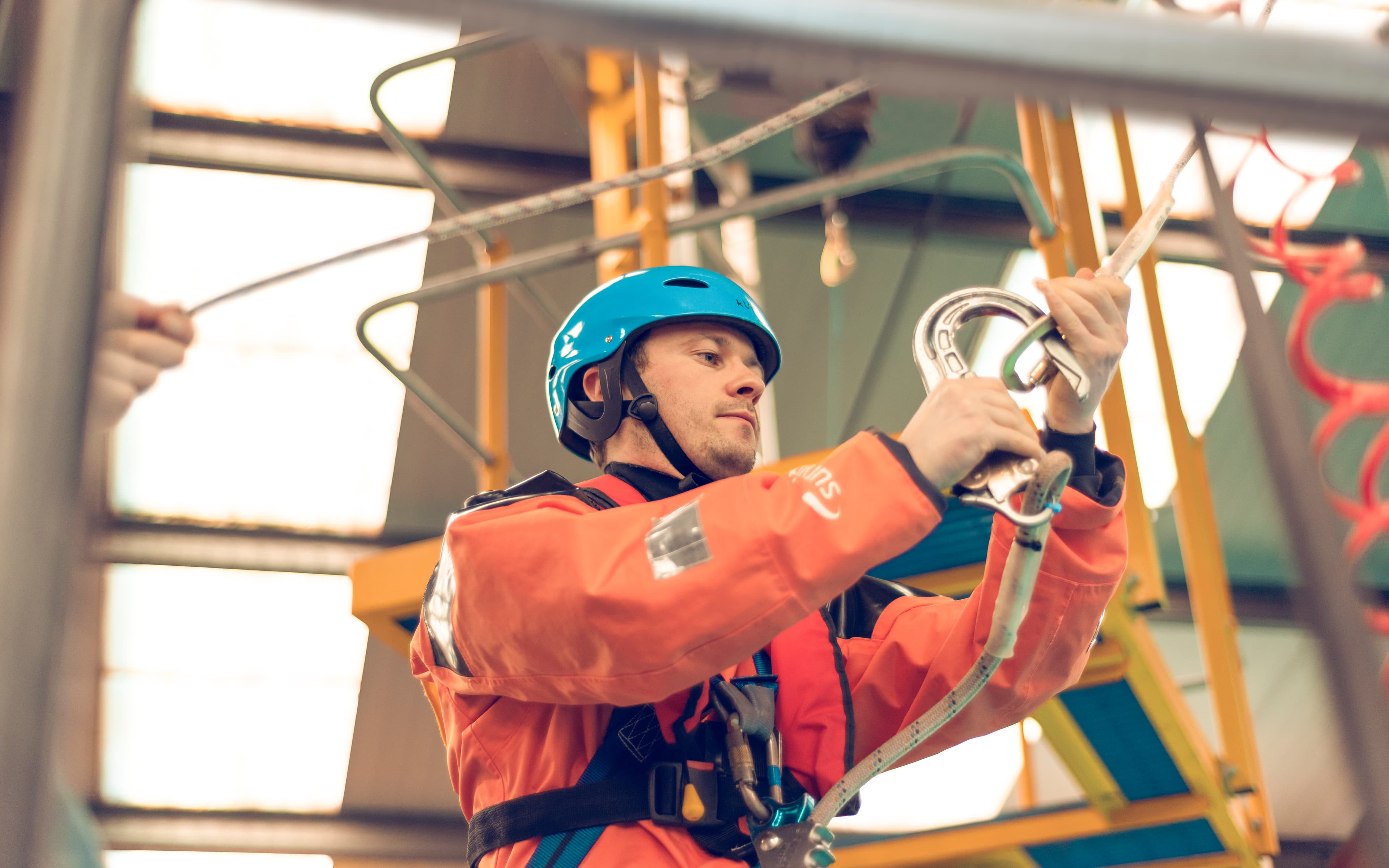
Rope access is a method used to work at height using ropes, harnesses, and climbing techniques. It allows technicians to safely reach, inspect, and repair parts of a wind turbine that are difficult to access by any other means. The method is based on skills originally used in mountaineering, but with strict industrial standards applied.
Why Rope Access Works for Offshore Wind
Wind turbines are getting taller and more remote. Traditional access methods like cranes or platforms are often too bulky or costly to use offshore. Rope access allows trained teams to move directly to the worksite using climbing gear. Once in place, they can carry out tasks without interrupting other operations. The result is faster response, fewer delays, and lower costs.
What Tasks Use Rope Access?
Rope access is widely used for blade inspections, especially to check for surface erosion, cracks, or lightning damage. It also supports tasks like coating, cleaning, weld inspections, and torque checks. Technicians can perform detailed work while suspended, as long as they have the right tools, training, and backup.
Safety and Certification
Working on ropes offshore is tightly controlled. Technicians must hold certifications from organisations such as IRATA or SPRAT, along with GWO safety training. Teams always work in pairs or groups, with one technician on the rope and another on standby for rescue. Everyone is trained not just to do the job but to respond if something goes wrong.
Team Setup and Planning
No rope access job is solo. Every operation involves clear communication, task planning, and backup systems. One technician might carry out the maintenance while another watches from the nacelle or tower base, ready to assist or perform a rescue if needed. Wind farm operators also require pre-approval and access permits before rope work begins.
The Benefits of Rope Access
Rope access offers mobility, speed, and flexibility. It removes the need for large lifting systems and can be deployed quickly, even from a small vessel. The equipment is light, and the setup is minimal. It also allows technicians to reach curved or awkward surfaces, such as blade tips or nacelle sides, with precision.
What Are the Limitations?
There are still challenges. Rope access work is limited by weather, especially high wind and rain. Technicians carry only a limited set of tools and materials. Physical fatigue can be a factor during long shifts. For major repairs or replacements, heavier equipment is still needed. Rope access does not replace other methods. It complements them.
How It Fits with Other Technologies
Many operators combine rope access with drones and sensors. Drones are often used for quick inspections. If damage is found, rope technicians follow up with closer visual checks or immediate repairs. This blended approach helps reduce costs, speed up response times, and minimise downtime.
Training and Careers
Demand for rope access technicians is growing in offshore wind. Most people begin with GWO Basic Safety Training and move on to Level 1 or Level 2 IRATA certification. Some go further into blade repair or rescue training. These qualifications open up seasonal contracts, long-term projects, and global opportunities.
Final Thoughts
Rope access helps offshore wind stay safe, efficient, and responsive. It gives technicians the ability to act fast when problems arise and work where no platform can reach. It’s a specialised skill, but one that plays a big role in keeping turbines running and energy flowing.